
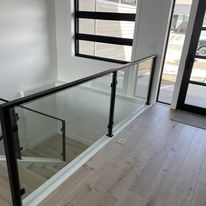
2026 Price Guide: Understanding the True Cost of Custom Cut Glass Projects
Discover Real Custom Cut Glass Costs in Billings, MT
Key Factors That Determine Your Final Cost
When planning a custom glass project, understanding the variables that affect pricing helps you budget accurately and avoid surprises. The cost of custom cut glass depends on several interconnected factors, each playing a distinct role in your final investment.
Glass type stands as the most significant pricing driver. Standard annealed (float) glass represents the most affordable option, typically used for decorative applications, picture framing, or low-risk installations. Tempered safety glass, which undergoes heat treatment to increase strength and shatter into small granules rather than dangerous shards, costs approximately 25 to 40 percent more than standard glass. In Billings, where temperature swings between seasons can stress glass installations, tempered glass provides essential durability for shower enclosures, doors, and tabletops. Insulated glass units (double-pane configurations) cost significantly more due to the sealed construction and enhanced energy efficiency, but they deliver measurable savings on heating costs during Montana winters.
Size and thickness directly impact material costs and handling complexity. A quarter-inch thick mirror measuring 24 by 36 inches costs considerably less than a half-inch thick piece at 60 by 80 inches, not only because of material volume but also due to the specialized equipment and careful handling required for larger, heavier pieces. Most custom residential projects use glass ranging from one-eighth inch to half-inch thick, with shower enclosures typically requiring three-eighths to half-inch tempered glass for safety and stability.
Shape complexity affects both fabrication time and waste. Straight rectangular cuts represent the most economical option, while curved edges, circular cutouts for fixtures, notched corners, and intricate patterns increase labor hours and require specialized cutting tools. Each hole drilled for hardware, every angle cut for a precise fit, and any custom shaping adds to the final price.
Edge finishing transforms raw cut glass into a polished final product. Standard seamed edges (lightly sanded to remove sharpness) cost the least. Polished edges, ground smooth and shiny, add beauty and safety. Beveled edges, featuring an angled decorative border, create an elegant look for mirrors and tabletops but require additional grinding and polishing time. In Billings, homeowners renovating historic properties often request beveled mirrors to match original architectural details, understanding the premium reflects true craftsmanship.
Finally, installation location and accessibility influence project costs. A bathroom mirror mounted on an accessible wall differs significantly from a floor-to-ceiling shower enclosure requiring precise measurements, waterproof seals, custom hardware, and careful installation. Projects requiring removal of existing glass, structural preparation, or challenging access (upper floors, tight spaces) add labor hours that affect your final investment.
What to Expect for Mirrors, Showers, Windows, and More
Realistic pricing expectations begin with understanding the typical cost ranges for common custom glass applications in 2026. These figures reflect current market conditions, including material costs, labor rates, and regional factors specific to the Billings area.
Custom mirrors represent one of the most popular residential requests. A basic bathroom vanity mirror (24 by 36 inches, quarter-inch thickness, polished edges) typically ranges from $150 to $300 installed. Larger wall mirrors (48 by 60 inches or greater) with standard polished edges run $400 to $800 depending on thickness and mounting hardware. Decorative mirrors featuring beveled edges, antiqued finishes, or custom shapes can reach $1,200 or more for statement pieces. Many Billings homeowners replacing builder-grade mirrors during bathroom updates discover that investing in quality custom mirrors with proper mounting transforms the entire space while adding lasting value.
Shower enclosures command higher price points due to safety requirements, precision engineering, and installation complexity. A standard three-panel frameless shower enclosure (60-inch base, three-eighths-inch tempered glass, polished edges, quality hardware) typically costs between $1,800 and $2,800 installed. Corner neo-angle designs, curved glass panels, or floor-to-ceiling installations can reach $3,500 to $5,000 or more. Semi-framed options using perimeter channels offer a more budget-conscious alternative, typically running $800 to $1,600 installed. The investment in tempered safety glass proves particularly wise in Montana, where temperature fluctuations inside heated bathrooms against cold exterior walls create thermal stress that lower-grade glass cannot withstand.
Window glass replacement varies widely based on whether you need single-pane, insulated double-pane, or specialty configurations. A standard single-pane window replacement (24 by 36 inches) ranges from $200 to $400 including installation. Double-pane insulated units for the same size run $400 to $700, reflecting the sealed construction and energy-efficient properties that reduce heating costs during Billings winters, when temperatures regularly drop below freezing for extended periods. Larger picture windows or specialty shapes increase costs proportionally, with bay window configurations sometimes exceeding $2,000 for complete replacement.
Glass tabletops and shelving occupy a middle pricing tier. A rectangular tabletop (36 by 60 inches, half-inch tempered glass, polished edges) typically costs $400 to $700. Round or oval shapes, beveled edges, or larger dimensions push prices toward $800 to $1,500. Custom shelving (12 to 16 inches deep, three-eighths-inch tempered glass) runs $150 to $350 per linear foot depending on length, support requirements, and edge finishing.
Decorative and specialty applications, including custom backsplashes, cabinet inserts, room dividers, and architectural glass features, range from $300 to $2,000 or considerably more depending on complexity, size, and artistic elements. These projects often require detailed consultations to establish accurate pricing based on your specific vision.
Hidden Costs and What Professional Service Actually Includes
Transparency in pricing builds trust and prevents unpleasant surprises when your project reaches completion. Understanding what professional custom glass services include in their quotes, versus what costs extra, helps you compare estimates accurately and budget appropriately.
Professional installation labor represents a significant component often bundled into project quotes or itemized separately. Installation encompasses much more than simply hanging glass. It includes precise on-site measurements (critical for custom work where even one-eighth inch matters), surface preparation, secure mounting with appropriate hardware, sealing and waterproofing where required, cleanup of installation debris, and final inspection. Shops with experienced installers build these services into their pricing, while others charge separately. Always clarify whether your quote includes complete installation or material only.
Edge treatments significantly affect both appearance and safety but vary in what different shops consider standard. Basic seaming (lightly sanding sharp edges) prevents cuts during handling and installation. Polished edges, ground smooth and clear, create a finished look appropriate for visible glass edges. Beveled edges add decorative dimension through angled grinding and polishing. Some shops include standard polishing in base pricing, while others charge $8 to $25 per linear foot for polishing and $15 to $40 per linear foot for beveling. Request detailed breakdowns showing edge finishing costs separately.
Hardware and mounting systems for shower enclosures, mirrors, and shelving represent another variable cost. Basic chrome-plated hinges, handles, and supports cost less than brushed nickel, oil-rubbed bronze, or premium finishes. Frameless shower enclosures require specialized hinges, clips, and stabilizer bars that can add $300 to $800 to project costs beyond the glass itself. Quality hardware ensures longevity and smooth operation, making it worth careful consideration rather than defaulting to the cheapest option.
Delivery fees apply for larger or heavier glass pieces requiring special handling and transportation. Local delivery within Billings typically adds $50 to $150 to your project cost, while complex installations requiring multiple trips or special scheduling may cost more. Some shops waive delivery fees for projects above certain minimum values.
Removal and disposal of existing glass, mirrors, or shower enclosures sometimes appears as an additional line item. Professional removal ensures safe handling of broken seals, old caulking, and potentially sharp materials. Budget $75 to $200 for removal services depending on project size and disposal requirements.
Template creation for complex custom shapes occasionally incurs separate charges, particularly for intricate patterns or installations requiring perfect precision. Professional shops often include templating in their service, recognizing it as essential for quality outcomes rather than an optional extra.
When comparing quotes, look for comprehensive proposals that clearly itemize material, fabrication, finishing, hardware, installation, and any additional services. Transparent pricing reflects professionalism and protects both parties by establishing clear expectations before work begins.
Balancing Cost and Quality in Custom Glass Projects
Strategic planning allows you to invest wisely in custom glass without overspending on features that do not match your priorities. Understanding where to allocate your budget creates satisfaction with both the process and the finished result.
Material selection offers the most direct control over project costs. Standard clear float glass suits decorative applications, picture framing, and low-risk installations where safety glass is not required. Tempered safety glass costs more but provides essential protection for shower doors, bathroom applications, tabletops, and anywhere human contact or breakage risks exist. Building codes in Montana require tempered glass for specific applications, making this a non-negotiable safety investment rather than an optional upgrade. Low-iron glass (sometimes called ultra-clear or Starphire) eliminates the greenish tint visible on standard glass edges, creating a crystal-clear appearance that enhances high-end installations but adds 30 to 50 percent to material costs. Consider low-iron glass for projects where edge visibility matters, such as thick glass tabletops or frameless shower enclosures, but standard clear glass works beautifully for most mirror applications.
Design complexity directly impacts fabrication time and costs. Rectangular shapes with straight cuts represent the most economical option. Rounded corners add minimal cost while creating a softer, more refined appearance. Complex curves, intricate cutouts, and artistic patterns require specialized equipment and skilled craftsmanship that increases pricing accordingly. For budget-conscious projects, consider whether simpler shapes achieve your functional goals while preserving funds for higher-quality glass or better hardware.
Edge finishing presents another decision point. Seamed edges (lightly sanded) prevent cuts and work fine for glass installed in frames or channels where edges remain hidden. Polished edges create a finished look appropriate for exposed glass edges on mirrors, shelves, and tabletops. Beveled edges add decorative elegance but command premium pricing. Many Billings area homeowners choose polished edges for bathroom mirrors and shower enclosures, reserving beveled edges for focal-point mirrors in entryways or dining areas where the decorative investment makes the strongest impact.
Installation timing can affect project costs in seasonal markets. While custom glass work continues year-round, scheduling flexibility during slower periods sometimes creates opportunities for better pricing or faster turnaround. However, quality workmanship and proper installation matter far more than modest savings achieved by rushing or choosing inexperienced providers.
Long-term value considerations should inform your decisions. Tempered safety glass costs more initially but lasts decades and prevents dangerous breakage. Quality hardware operates smoothly and maintains appearance through years of daily use. Professional installation with proper sealing and mounting prevents water damage, loosening, and premature failure. The modest additional investment in quality materials and expert installation typically costs far less than addressing problems caused by cutting corners.
How to Request Quotes and What to Expect
Obtaining accurate pricing for custom glass work requires providing detailed information and working with experienced professionals who understand both the technical requirements and your aesthetic goals. The estimating process protects your investment and ensures the finished project matches your expectations.
Precise measurements form the foundation of accurate quotes. For replacement projects, measure existing glass dimensions (height and width) at multiple points, since older installations sometimes vary slightly. Note the thickness if visible at edges. Photograph the installation showing how the glass mounts, what hardware exists, and surrounding conditions that might affect removal or installation. For new installations, measure the space carefully and note any obstacles (light fixtures, outlets, pipes) that require cutouts or special consideration. Professional shops typically offer on-site measuring services to ensure accuracy, particularly for complex projects where precision matters most.
Clearly communicate the glass type and application. Specify whether you need a mirror, clear glass, tempered safety glass, insulated units, or specialty options. Describe where the glass will be installed (bathroom, shower, exterior window, tabletop) since application determines material requirements, edge finishing needs, and often building code compliance issues. Mention any exposure to moisture, temperature extremes, or high-traffic areas that affect material selection.
Share your aesthetic preferences and any specific requirements. Do you prefer polished or beveled edges? What hardware finish matches your existing fixtures? Do you need specific glass tints or coatings? Are there accessibility considerations or installation scheduling constraints? The more detail you provide, the more accurate and comprehensive your quote will be.
Request itemized written estimates showing material costs, fabrication charges, edge finishing, hardware, installation labor, and any additional services separately. Itemized quotes allow meaningful comparison between providers and help you understand where your money goes. Verify what the estimate includes and excludes, particularly regarding measurements, templates, delivery, installation, and cleanup.
Beware of quotes that seem dramatically lower than others without clear explanation. Quality custom glass work requires skilled craftsmanship, proper materials, and appropriate safety measures. Quotes significantly below market rates often indicate inexperience, substandard materials, or hidden costs that appear later. Conversely, the highest quote does not automatically guarantee the best value. Look for detailed, transparent pricing from established providers with verifiable experience and positive customer feedback.
We provide detailed, complimentary estimates that clearly outline every aspect of your custom glass project. Our team visits your location to ensure measurements are precise, discusses your goals and preferences thoroughly, and delivers written proposals that specify exactly what you will receive and what your investment covers. This transparency gives you confidence to move forward, knowing there will be no surprises when your beautiful custom glass installation is complete. Reach out today to start a conversation about your project and receive the honest, detailed pricing information you need to make an informed decision.